Chairman's Message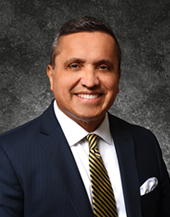 As the Chamber’s new Chair of the Board, I am excited to embark on an exciting journey to shape the future of Riverside’s business landscape.
Planning for the next 12 months, I want to emphasize three crucial areas where the Chamber will lead the charge. First, we will empower our small businesses to achieve exciting growth. These entrepreneurs are the lifeblood of our community, and we must provide them with the tools and resources they need to thrive. Specifically, we will focus on increasing access to financing, resources, and training that provide exceptional support for startups and established businesses alike. We will connect them to a growing talent pool that is skilled and ready to get to work. Second, we will amplify the voice of Riverside’s businesses in City Hall, Sacramento, and Washington, DC. We will continue to be tireless advocates, working with policymakers to support our growth and prosperity. Whether advocating for tax incentives, streamlining permit processes, or promoting innovation, we will be there to represent your interests. Finally, we will focus on attracting and nurturing new and emerging industries, positioning Riverside as a hub for sustainable technology. We have already seen early wins with companies like Ohmio, Voltu Motors, and Hyundai Rotem, demonstrating our potential in advanced manufacturing and sustainable transportation. We will build on these successes. Additionally, we will foster partnerships between local educational institutions and industry leaders and champion policies that incentivize sustainable practices, making Riverside a magnet for business growth. I'm confident that together we can build a stronger, more vibrant, and more sustainable business community. Let's make this year one for the history books – a year where we truly accelerate toward a bright future for Riverside.
Jennifer Binkley
|
|
|||


